Farm Notes
The coffee comes from small holder coffee farmers in the Goro Bedessa Woreda of Hambela Wamena, a high altitude region that tops out at 2100 meters above sea level. These lots are made up of coffee from several hundred different farmers, most with only a couple hundred coffee trees or less. The people in this region are known as Guji Oromo, and coffee farming has been a core part of the culture in the highland areas for many years. It's a distinct coffee from Yirga Cheffe, and Sidamo. Geographically, culturally, and in terms of cup flavors, these southern coffees have a different flavor profile while maintaining the same general characteristics; citrus and floral accents, a lively cup character. The station is run by Ismael Hassen from Kayon Mountain coffee, a name you might be familiar with from coffees of previous years. They do a fantastic job controlling quality, consistently providing us with some of our top scoring Ethiopian coffees. Sorting out imperfect coffee cherry starts on delivery, and extends all the way to the drying tables. Farmers must hand sort the cherry for defects before delivering to the washing station. The cherry is then floated in tanks of water to catch any underripe coffee before the processing begins. This particular lot was wet-processed, often simply called "washed". In this process, the cherry is first removed from the seed using a depulping machine. Then, the sticky mucilage layer that surrounds the bean is removed by fermenting it for 24-36 hours in water, after which it is "washed" away with clean water. Finally, the coffee is dried on raised beds for upwards of 2 weeks, depending on the weather.
Full Cupping Notes
Our light roast of Goro Bedessa stood out on the cupping table, expressing refined sweetness and amazing cup clarity, along with lingering floral characteristics that bring perfumed highlights to the cup aroma. The dry fragrance is laced with notes of orange blossom honey, tangerine, and delightful lemon highlights. The wet aroma has pronounced honey sweetness with accents of baking spice, and juicy citrus. A floral dimension peeks through at this stage, indicating a bit of star jasmine that adds a delicate element to the sweet smells. This brews up a beautiful cup at City roast level, with crystalline sweetness that hints at simple syrup, and highlights of black tea with lemon that draw out well-structured acidity. Juicy, bright flavors add to the lively top end, like peach stone fruit, blackberry juice, and lemon-like flavors that point to a juicy spritz as well as the grabby aspect of lemon rind. The cup aroma is so nice in the light roasts, and a big part of what makes this coffee special. Floral jasmine pearl tea notes are potent, along with hints of hop water, and orange blossom. While the flavors are certainly delicate, there's a nice juxtaposition of medium body, and moderate coffee-bittering components that keep Goro Bedessa from feeling "lightweight" overall.
Specs
Region | Goro Bedessa
Processing | Wet Process (Washed)
Drying Method | Raised Bed Sun-Dried
Farm Notes
The coffee comes from small holder coffee farmers in the Goro Bedessa Woreda of Hambela Wamena, a high altitude region that tops out at 2100 meters above sea level. These lots are made up of coffee from several hundred different farmers, most with only a couple hundred coffee trees or less. The people in this region are known as Guji Oromo, and coffee farming has been a core part of the culture in the highland areas for many years. It's a distinct coffee from Yirga Cheffe, and Sidamo. Geographically, culturally, and in terms of cup flavors, these southern coffees have a different flavor profile while maintaining the same general characteristics; citrus and floral accents, a lively cup character. The station is run by Ismael Hassen from Kayon Mountain coffee, a name you might be familiar with from coffees of previous years. They do a fantastic job controlling quality, consistently providing us with some of our top scoring Ethiopian coffees. Sorting out imperfect coffee cherry starts on delivery, and extends all the way to the drying tables. Farmers must hand sort the cherry for defects before delivering to the washing station. The cherry is then floated in tanks of water to catch any underripe coffee before the processing begins. This particular lot was wet-processed, often simply called "washed". In this process, the cherry is first removed from the seed using a depulping machine. Then, the sticky mucilage layer that surrounds the bean is removed by fermenting it for 24-36 hours in water, after which it is "washed" away with clean water. Finally, the coffee is dried on raised beds for upwards of 2 weeks, depending on the weather.
Full Cupping Notes
Our light roast of Goro Bedessa stood out on the cupping table, expressing refined sweetness and amazing cup clarity, along with lingering floral characteristics that bring perfumed highlights to the cup aroma. The dry fragrance is laced with notes of orange blossom honey, tangerine, and delightful lemon highlights. The wet aroma has pronounced honey sweetness with accents of baking spice, and juicy citrus. A floral dimension peeks through at this stage, indicating a bit of star jasmine that adds a delicate element to the sweet smells. This brews up a beautiful cup at City roast level, with crystalline sweetness that hints at simple syrup, and highlights of black tea with lemon that draw out well-structured acidity. Juicy, bright flavors add to the lively top end, like peach stone fruit, blackberry juice, and lemon-like flavors that point to a juicy spritz as well as the grabby aspect of lemon rind. The cup aroma is so nice in the light roasts, and a big part of what makes this coffee special. Floral jasmine pearl tea notes are potent, along with hints of hop water, and orange blossom. While the flavors are certainly delicate, there's a nice juxtaposition of medium body, and moderate coffee-bittering components that keep Goro Bedessa from feeling "lightweight" overall.
Specs
Region | Goro Bedessa
Processing | Wet Process (Washed)
Drying Method | Raised Bed Sun-Dried
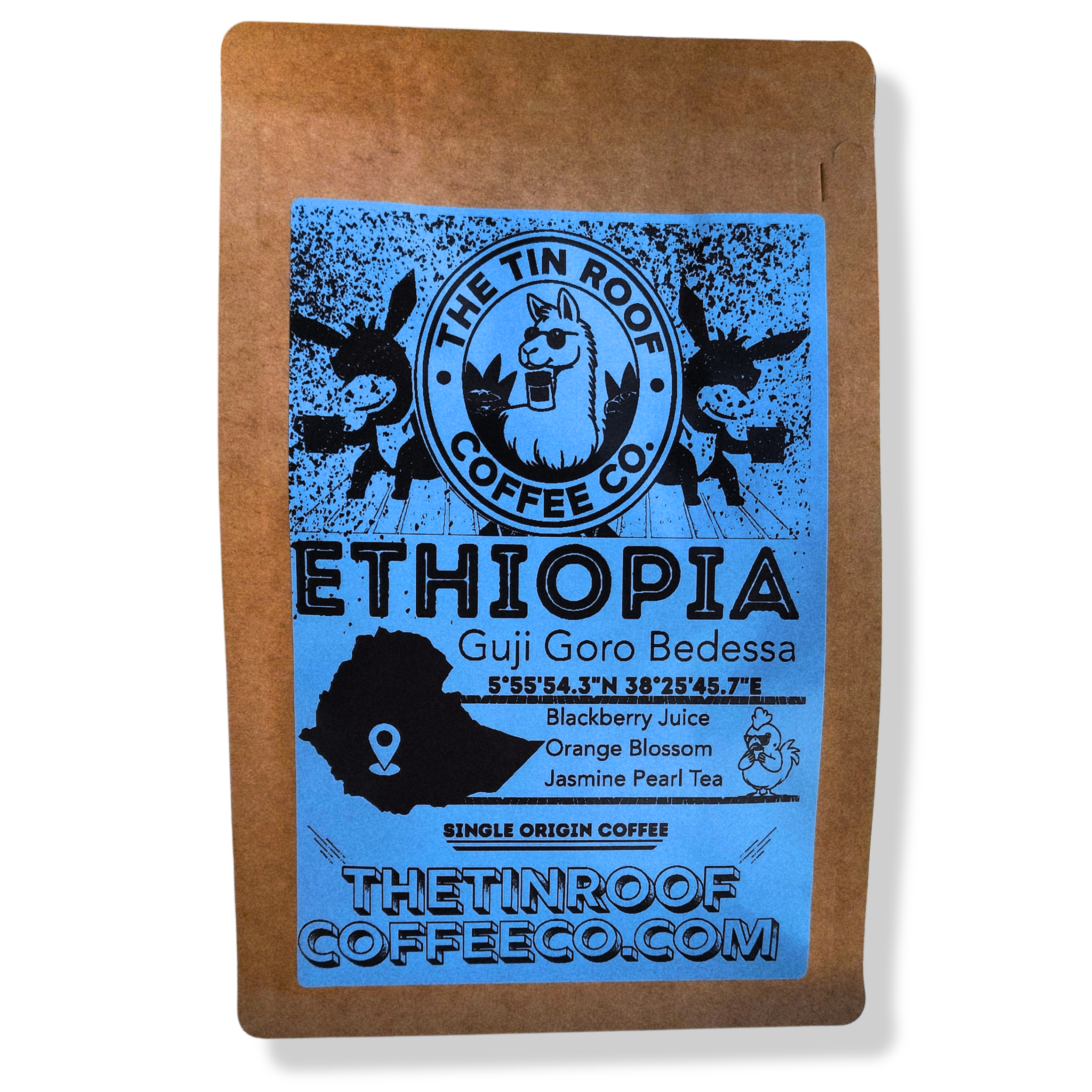 Image 1 of 9
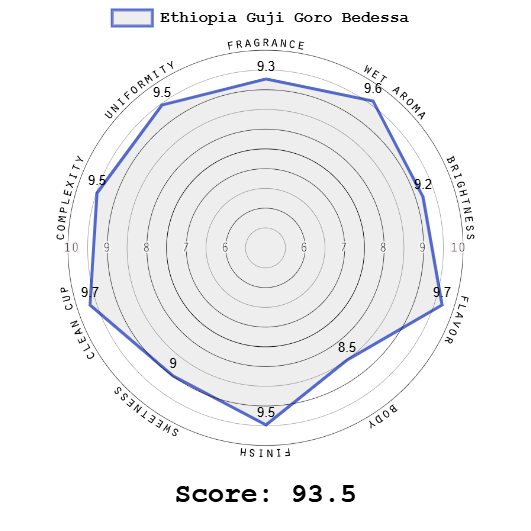 Image 2 of 9
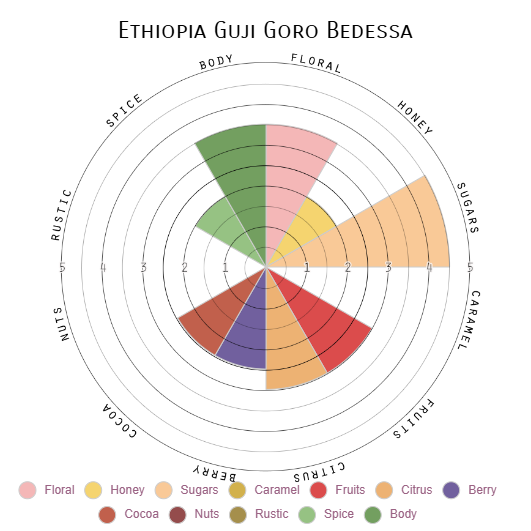 Image 3 of 9
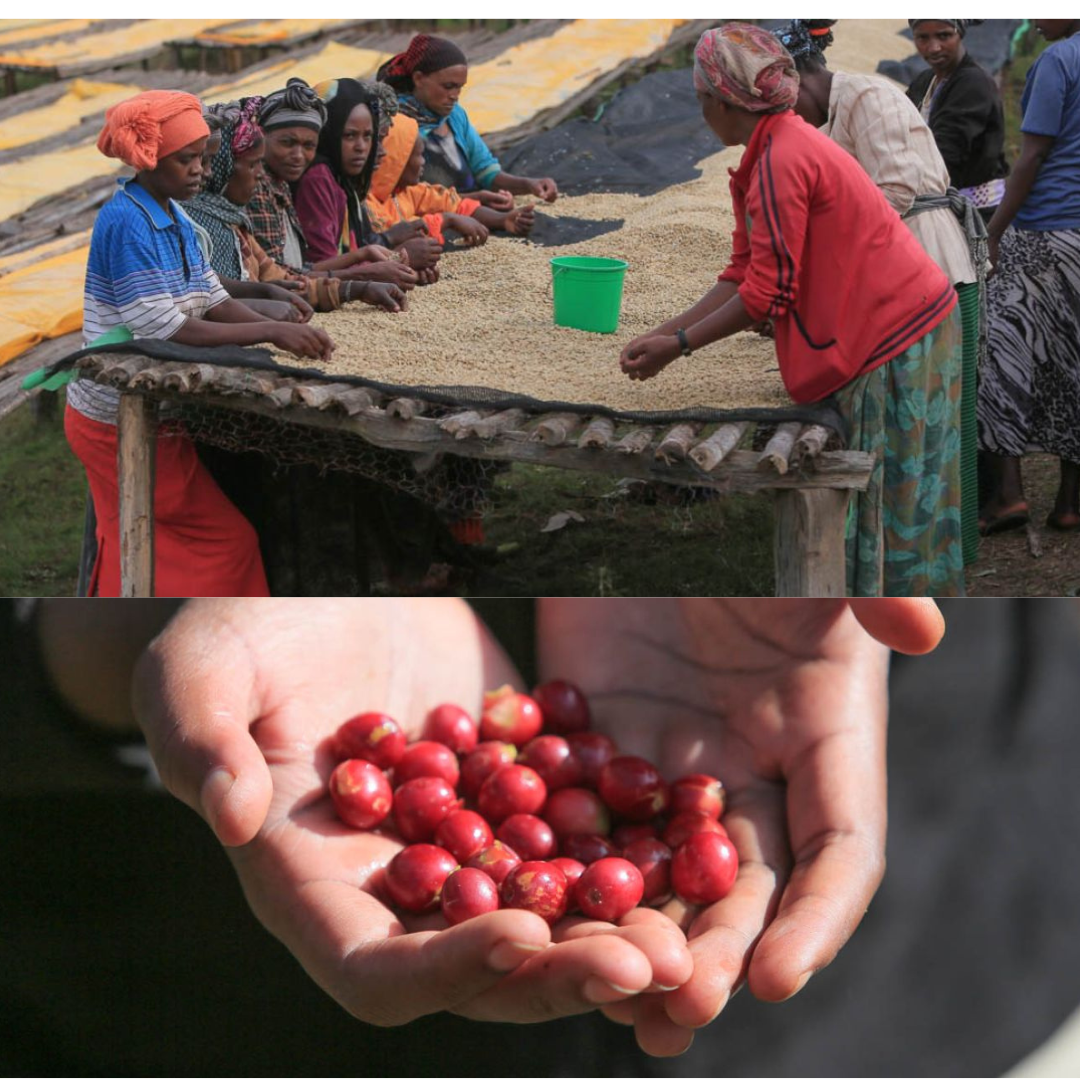 Image 4 of 9
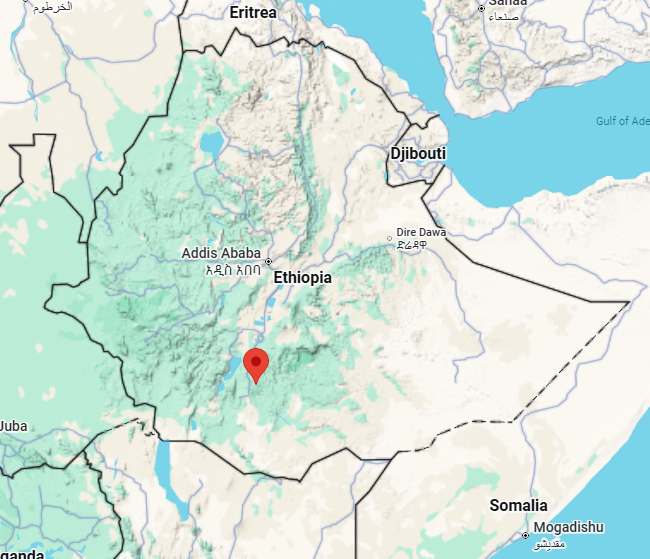 Image 5 of 9
 Image 6 of 9
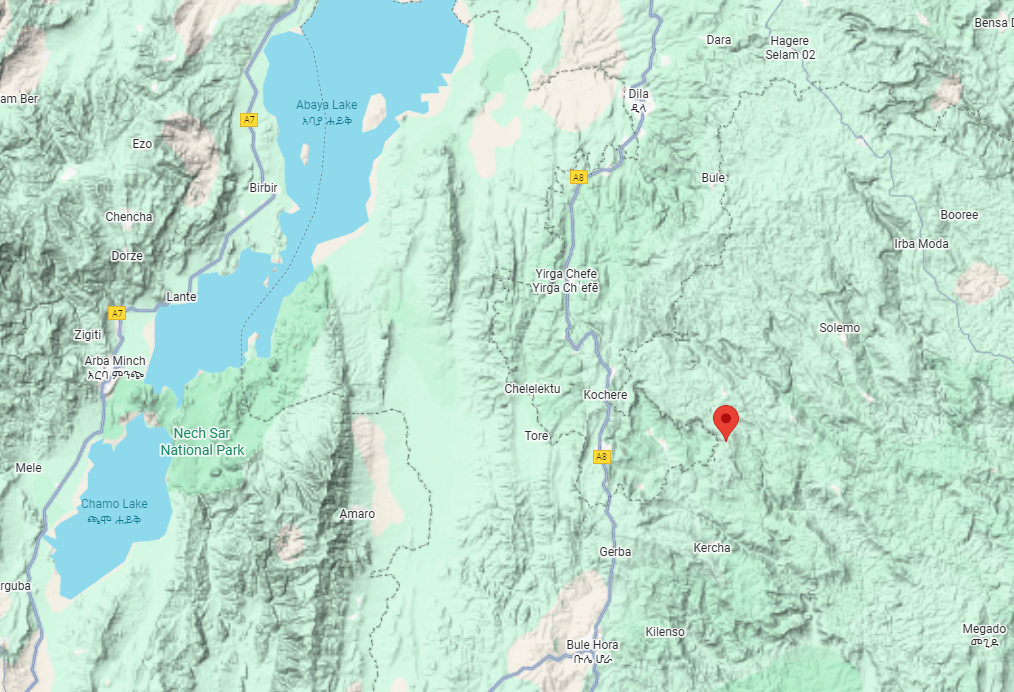 Image 7 of 9
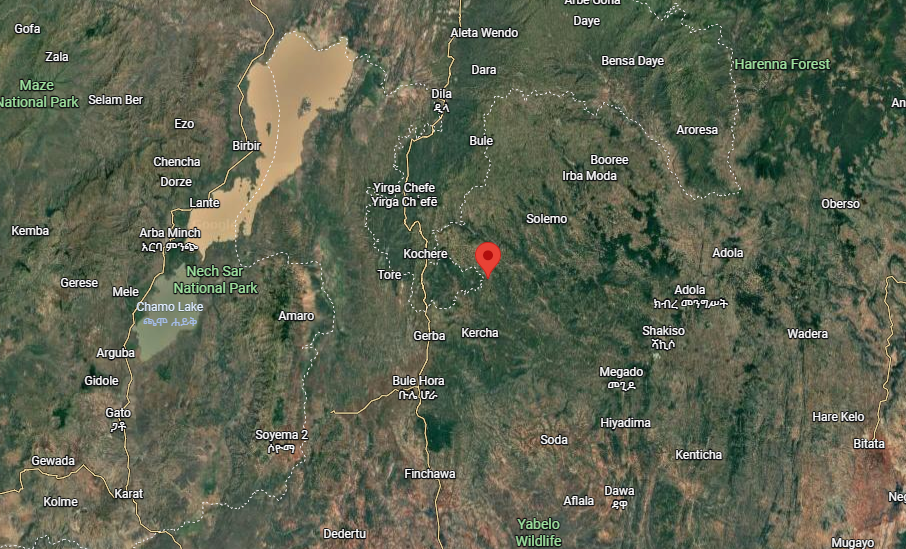 Image 8 of 9
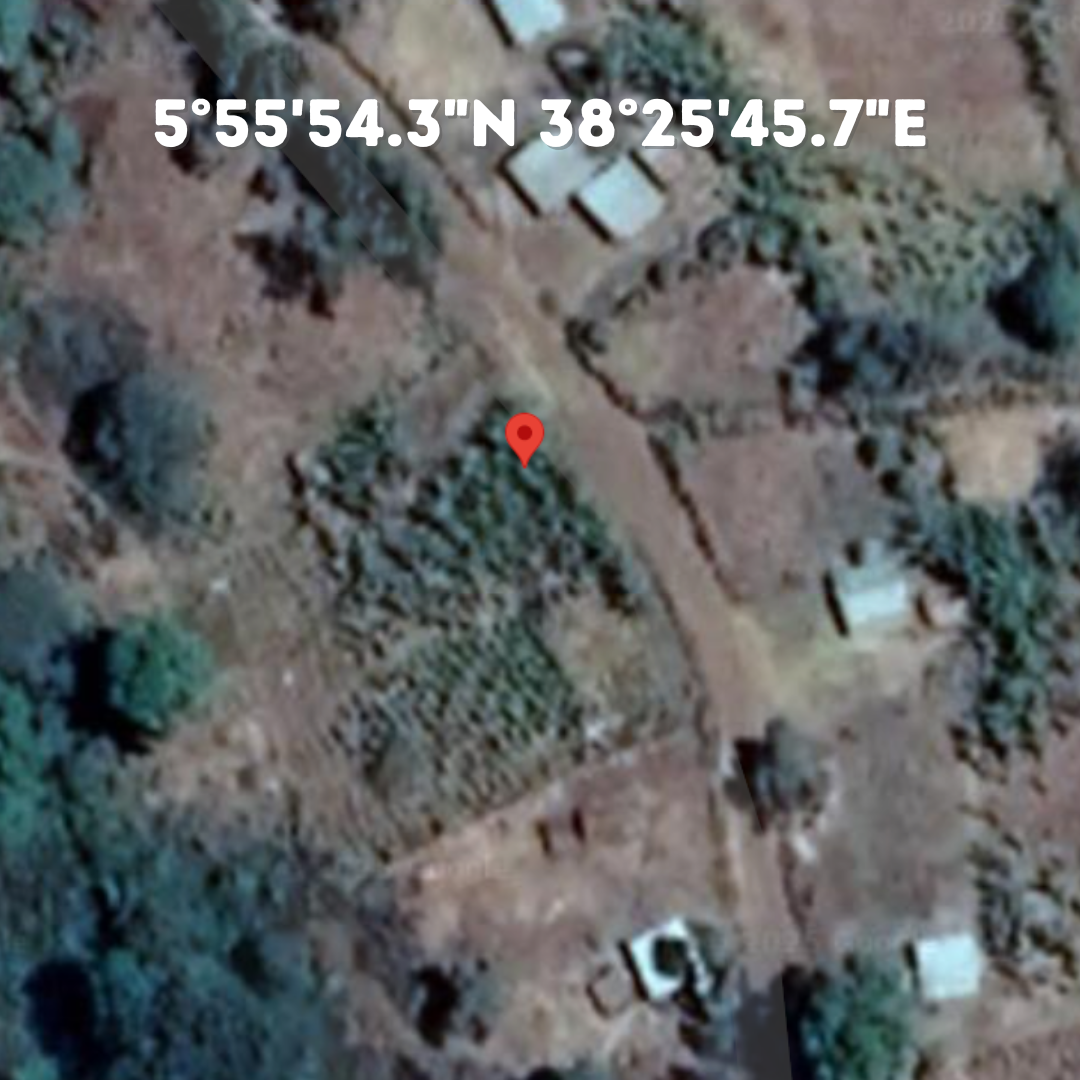 Image 9 of 9